

Last month, I shared key takeaways from Compass economist Mike Simonsen’s 2026 Housing Outlook, which framed the year ahead as neither boom nor bust, but rather a period of normalization—defined by stability and balance. The Q4 Manhattan data supports that view.
According to the Compass Q4 2025 Manhattan Market Report, the fourth quarter closed with the market holding steady—and in some respects, stronger than many expected. After a softer spring and early summer, buyers and sellers re-engaged meaningfully toward year-end, producing 2,611 closed sales, up 8.6% year-over-year. That performance outpaced both 2023 and 2024, reinforcing an important point: while demand has moderated, it remains very much intact—just more selective.
Closing prices held relatively firm. Condos reached a record average price just over $3 million, while co-ops posted their second-strongest fourth quarter on record, with an average price of approximately $1.34 million. At the same time, the average discount hovered around 7%, with 28% of properties taking more than six months to enter contract and average days on market stretching to 108 days—clear evidence that buyers are deliberate and value-driven.
Three noteworthy trends stood out as the year closed:
The $3 million to $5 million range emerged as the market’s clear “sweet spot,” posting double-digit contract growth across both condos and co-ops. Notably, co-ops in this range saw the strongest growth of any segment.
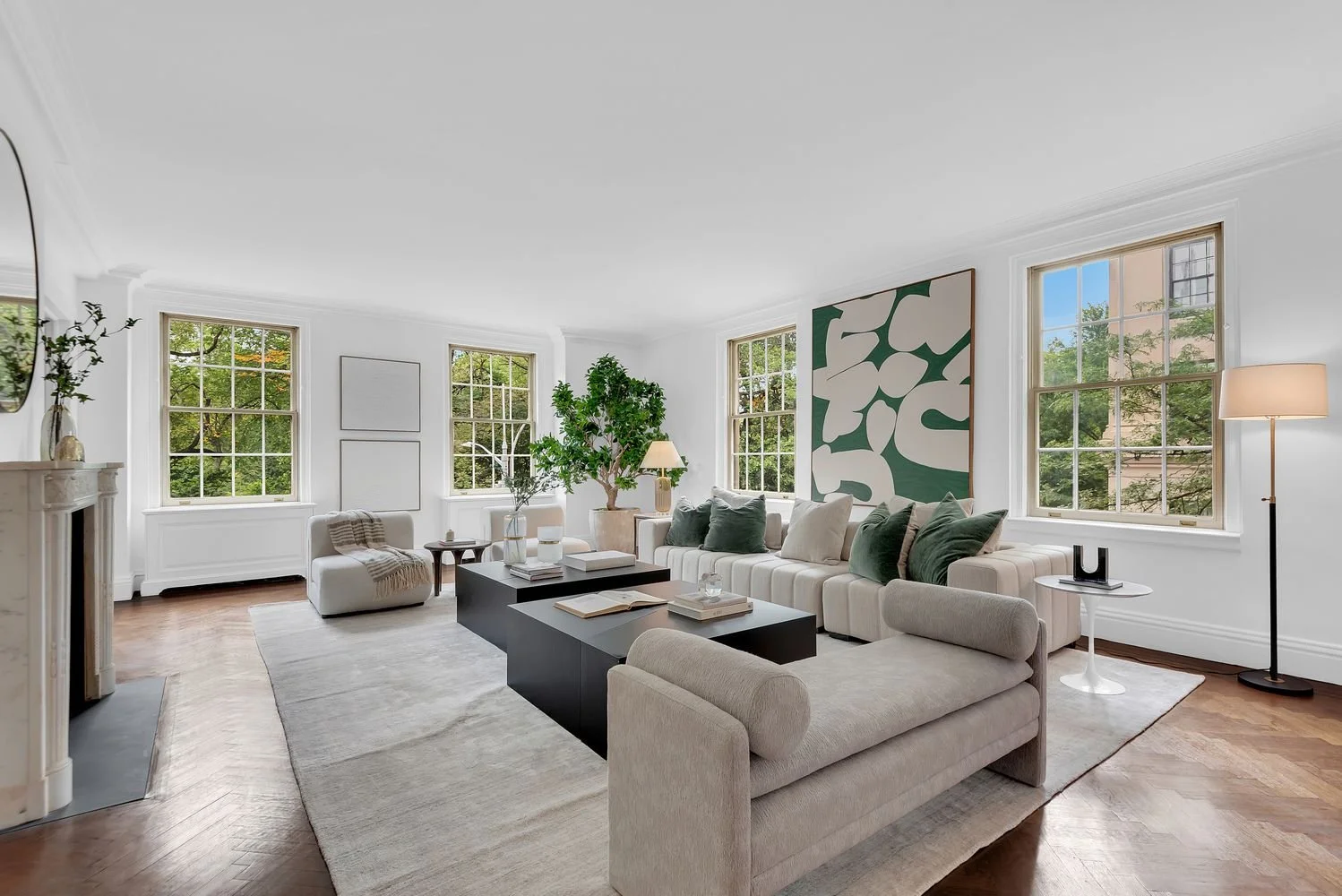
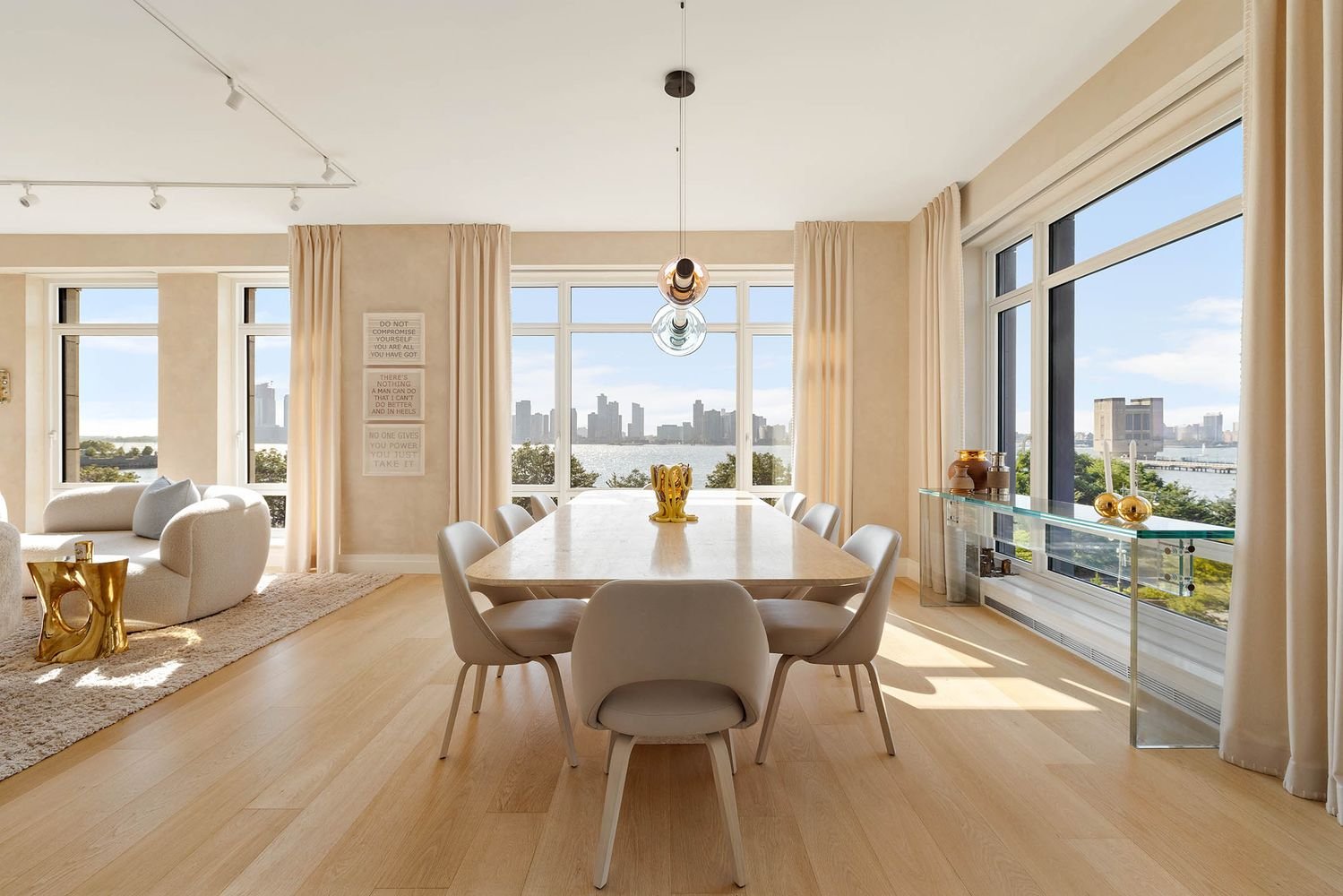
The ultra-luxury condo market ($20M+) demonstrated resilience, with contract activity up 12.5%, driven largely by cash-rich buyers adding long-term, trophy assets to their portfolios.
Active inventory finished the year just below 5,400 listings, essentially flat year-over-year, while new listings declined modestly by approximately 4%, suggesting continued seller caution.

What This Means Moving Into 2026
Riding the momentum of the fourth quarter—combined with last week’s drop in mortgage interest rates to 5.99%, the lowest level since September 2022—confidence has improved and buyer power has expanded.
Today’s buyers are informed, patient, and quick to bypass listings that feel even slightly aspirational. Condition is hardly a footnote. Buyers are factoring renovation effort into value, particularly in co-ops, where board scrutiny and renovation fatigue are very real considerations. Opportunities exist, especially where pricing has adjusted or inventory has quietly built. Buyers who demonstrate preparation and patience hold the advantage—particularly those who understand submarket dynamics and long-term value and are ready to act decisively when the right property appears.
For sellers, pricing precision matters as much as ever. Properties that launch at the right price—supported by thoughtful presentation and strategic staging—are most likely to attract early engagement. Those that miss the mark often require later adjustments, which can dilute momentum. Sellers can still achieve excellent results, but only when pricing, condition, and expectations align closely with today’s realities. The first three weeks still matter enormously. Well-positioned properties trade—sometimes quickly—but the margin for error is thin.
The Bottom Line
Manhattan remains one of the most resilient real estate markets in the world. As 2026 begins, success—whether buying or selling—will not come from guessing where the market is headed, but from understanding precisely where it is, and positioning accordingly.
NEW DEVELOPMENT SPOTLIGHT
Each month in this space, we will feature a noteworthy new development condominium as buyers continue to weigh co-op versus condo ownership.
The Henry | 211 West 84th Street

A strong example of how new development on the Upper West Side is evolving to meet today’s buyer expectations, The Henry, designed by Robert A.M. Stern Architects and developed by Naftali Group, rises at the corner of West 84th Street and Broadway, and is intentionally contextual rather than flashy. Comprising 45 well-proportioned homes, this boutique building offers classical architecture and a full-service living experience—appealing to buyers who want the ease of condo ownership without sacrificing neighborhood character. In a market where buyers are increasingly selective, developments like this underscore the growing appeal of thoughtfully executed new construction as an alternative to traditional co-op living. Boutique in scale and classical in design, it reflects a broader trend we are seeing among condo buyers: a preference for architectural integrity, livable layouts, and service.
If you’re beginning to think about a move in 2026, and curious how new development compares to resale options, we would be delighted to begin a confidential conversation about opportunities and timing.