
Pied-à-Terre Tax Update: Lawsuits, a Court Order, and a Council Hearing

Pied-à-Terre Tax Update: Lawsuits, a Court Order, and a Council Hearing

This is a developing story, and a lot has happened since my July 31st post on the 2nd home annual tax. Here's where things stand today.

The exemption deadline was already extended once—
and now that's moot too.

On August 1, Mayor Mamdani and DOF Commissioner Richard Lee announced a four-week extension until September 18, 2026 for homeowners to apply for an exemption to the pied-a-terre tax, superseding the original deadline and applying it to all property types.

But now even that revised deadline is in limbo. A Staten Island State Supreme Court judge has granted a temporary restraining order pausing the city's rollout entirely—ordering the tax roll taken offline and barring DOF from issuing further notices while the case proceeds. With the rollout itself frozen, the practical meaning of a September 18 deadline is, at the moment, an open question. I wouldn't be surprised to see it revisited again before this is resolved.

Will there be copycat lawsuits?

The original suit—brought by three homeowners including family members of a sitting City Council member—succeeded in getting emergency relief on its very first attempt, and it did so without challenging the underlying tax. It went after the process: the public database, the volume of erroneous notices, the burden placed on homeowners to disprove a determination the city got wrong in the first place. That's a comparatively low bar, and it worked. Any plaintiff's attorney watching this outcome now has a tested playbook and a sympathetic judge's reasoning to build on. Additional lawsuits may be likely—especially if the city tries to restart the rollout in a form that still leaves so many questions still unanswered.

A City Council hearing is set for Tuesday, August 18 at 1:00 PM.

The Finance and Governmental Operations Committees are holding a joint oversight hearing on the rollout, and the Council is actively soliciting testimony from affected homeowners. I'll be watching this closely: one of my Compass colleagues has been invited by the Council Speaker and the Committee Chair to deliver expert testimony at the start of the hearing—a meaningful signal that industry voices are being brought directly into the room as the Council examines how this rollout went wrong.

Ahead of the hearing, there will be a press conference outside City Hall calling for accountability around the rollout and advocating for changes to how it's implemented. I'll share more details as they're confirmed.

What this means for you, for now.

If you received a "may be subject to" notice, the guidance from my last post still holds: don't panic, but start assembling your documentation regardless of how the court case or the Council hearing shakes out. However given the temporary restraining order, there is no immediate deadline pressure on the rollout itself right now. That said, I'd treat this as a pause, not a resolution—both the September 18 exemption deadline and the underlying tax remain very much alive. The next real checkpoint is the August 31 hearing on the temporary injunction.

As always, if you have a specific concern about your property, reach out to me, or better yet, to your attorney directly rather than waiting for the next headline.

What NYC Property Owners Should Know About the 2nd Home Annual Tax

What NYC Property Owners Should Know About the 2nd Home Annual Tax

When I first wrote about the proposed pied-à-terre surcharge earlier this year, we were discussing legislation. Today, we're discussing implementation. And, as often happens with new laws, the rollout has generated more questions than answers. My goal isn't to debate the law. It's to help my clients understand what they should do.

1. Don't panic.

Just because you received a notice—or your property appears on a published list—does not mean you owe the surcharge. The Department of Finance has made clear that the published Supplemental Market Value Roll identifies properties that may be subject to the surcharge, not properties that definitely are. 

2. The published list is a starting point, not a final determination. 

Much of the confusion stems from the fact that the preliminary list of nearly a million properties includes those that are not subject to the surcharge at all—commercial spaces, outdated records, even deceased owners. DOF doesn’t make it easy to navigate the separate lists of Class 1 (1-3 family homes) and Class 2 (co-ops and condos) properties, and the agency reserves the right to add new information as it becomes available. Owners may not receive immediate responses to appeals. Even so the first annual surcharge payment will be due in January 2027—even though a final version of this list, reportedly, is not expected until December 31, 2026.

3. If you received a notice, but qualify as a primary residence, file for an appeal and document it.

For purposes of this tax, a person may have only one primary residence, and its status is determined on January 5th of each fiscal year. The same date is used to determine the property’s value, which for Phase 1 of the 5-year annual tax is the current DOF market value rather than the sales-comparable value (whose methodology has yet to be determined and announced). Any changes after January 5th—completing a renovation, entering into a qualifying lease, or restructuring an entity—will affect the next fiscal year. DOF has not created exceptions for purchasers who intended to move in after January 5 or for properties undergoing renovation. The tax depends on the property’s actual status on the taxable status date, not the owner’s plan for use, and the surcharge is not prorated for part-year changes in use.

A primary residence exemption may continue for one year following the death of a covered owner, or during a period of hospitalization or temporary residence in a nursing facility, provided appropriate documentation is submitted. 

If your property is not a second home, pay close attention to appeal filing deadlines, which as of this writing are: August 21 for 1-3 family homes and condominiums, and August 24 for co-ops. Your tax return is the strongest proof, but I encourage owners to submit all reasonable supporting documentation as well—utility bills, insurance policies, driver's licenses, voter registration, lease documents, and affidavits where appropriate. Upload these directly through the DOF online system, SmartFile, referencing the code printed in your letter. 

If you own a high-value second NYC home, but haven't yet been contacted, or if you’re travelling and concerned about missing deadlines, reach out to your attorney for guidance now. 

4. LLC ownership deserves special attention.

If a property is owned by an LLC or another legal entity, an exemption will depend upon one or more natural persons collectively holding a majority ownership interest in the property that is their primary residence. Some owners may wish to revisit whether the entity’s ownership structure still makes sense before next year's filing period. Consult with your attorney. 

5. Co-ops are especially complicated.

Unlike condos, a co-op unit has no separately assessed real property value you can simply look up online. Determining a co-op's value requires calculating the apartment's proportionate ownership interest in the cooperative corporation including its allocated shares relative to the corporation's total authorized shares. For many owners, this calculation is anything but straightforward. It’s best to reach out directly to your managing agent, particularly to confirm the number of authorized shares, which may differ from what’s listed in the original Offering Plan. 

6. Today's valuation may not be tomorrow's valuation.

The surcharge isn't based on what you paid for your property—or even what it might sell for today. For the first two years, it’s based on the market value determined by the Department of Finance annually, under the methodology established decades ago by law. Those valuations can shift from year to year—meaning an owner who falls below the threshold this year could exceed it next year, and vice versa.

7. The market is already adapting.

Even before the first surcharge bills have gone out, we're seeing the marketplace respond. REBNY is revising its residential lease forms to address whether a tenant will occupy an apartment as a primary residence. Because the surcharge attaches to the property rather than to a prior owner, transactional attorneys are drafting purchase-contract language to indemnify buyers against any surcharge liability left behind by a seller. And since the co-op corporations are responsible for collecting the surcharge tied to individual apartments, managing agents and boards are working out how to avoid being on the hook for a non-compliant pied-à-terre owner. That raises a broader question: Will some cooperative boards become less receptive to second-home purchasers going forward?

8. If you're renting out your apartment...

Owners whose tenants use the apartment as their primary residence qualify for an exemption. Owners whose tenants use the property as a second home may want to think carefully about future lease renewals, and pay attention to legal notice requirements for subtenants.

9. We're all learning together—in real time.

The law took effect July 1st of this year, yet many aspects of its administration are still evolving. Attorneys, accountants, managing agents, tax professionals, and brokers are receiving new guidance as questions arise and practical issues emerge. It would not be surprising if portions of the law or its implementation are challenged or refined over time. For now, we're all navigating a new landscape together—one that by design sunsets in five years.

10. Assemble the right team.

This isn't simply a real estate issue. It's a legal issue, a tax issue, and, for many owners, a planning issue. Work with trusted advisors—including your attorney, accountant, and real estate broker—to understand how the law applies to your particular circumstances.

As I've often said over the years, the best decisions are made with the best information. This is one more example where thoughtful guidance is worth far more than reacting to headlines.attention—not emotional headlines.

As always, I'm happy to talk through what this means for you specifically — whether you're a seller, buyer, or investor.

The Pied-à-Terre Tax Is Now Law — But the Bigger Story Is What Comes Next

The Pied-à-Terre Tax Is Now Law — But the Bigger Story Is What Comes Next

In April, I wrote that the proposed pied-à-terre tax deserved careful attention—not emotional headlines. In May, I noted that the proposal was gaining real momentum and that its implications could extend far beyond the luxury market. On May 28, 2026, the measure was enacted as part of New York State's Fiscal Year 2027 budget. Effective July 1, 2026, it imposes an annual surcharge on certain high-value New York City residences that are not the owner's primary residence.

The Pied-à-Terre Tax Is Moving Forward — But Details Remain Unclear

The Pied-à-Terre Tax Is Moving Forward — But Details Remain Unclear

Last month, I wrote that the renewed pied-à-terre tax proposal deserved careful attention—and that the details mattered far more than the headlines. Since then, negotiations between the Governor's office and City Hall have moved from concept toward something with real legislative momentum.

Oh What A Month!

Oh What A Month!

February activity followed one of the most active Januarys we’ve seen in a long time. And although it’s the shortest calendar month, we are entering the spring housing market with some of the healthiest conditions and most encouraging news we’ve seen in quite a while.

The 2026 Housing Market: A New Era

The 2026 Housing Market: A New Era

As the year comes to a close, the questions I hear most from clients and neighbors remain the same: How’s the market, and what lies ahead? Fortunately, the answer is beginning to crystallize.

Real Estate's Most Misleading Statistic: DOM

Real Estate's Most Misleading Statistic: DOM

Take a look at a residential property listing, and you’ll see a number titled Days on Market. It usually appears after the price, and it’s meant to show how long the property has been for sale and how long it took to get to a signed contract. But does it really?

A Season of New Beginnings With Fresh Paint and A Fresh Start

A Season of New Beginnings With Fresh Paint and A Fresh Start

I’m readying an estate apartment for sale. I’ve got painters painting, stagers will be staging later in the week, and a photographer will follow. On one of my visits to check progress, I rode the elevator down with a longtime shareholder who had known the family. He asked if it was sad. The question lingered with me.

The truth is no, I'm not melancholy. I don’t feel sadness so much as a sense of renewal. Prepping a property for the market is actually exciting. Thinking about what new life will fill the rooms is energizing. An apartment that has been lived in and loved for decades is about to begin its next chapter. That’s the beauty of real estate. The painters refresh, the stagers reimagine, and suddenly a space that carried one story is ready for another.

Over my 45 years in the business, I’ve had the privilege of shepherding these transitions countless times. I understand both the practical and the emotional dimensions. Each has its own poignancy—but also its own spark of anticipation. What new memories will take root here? Who will make this space their own?

Lately, I’m guiding more sellers who are leaving beloved homes for assisted living communities. And to my mind, that’s the right order. While there is poignancy in letting go, there is also grace in the handoff: the chance for new voices, new laughter, new beginnings to fill the rooms. My role is to guide the process with professionalism and sensitivity, ensuring the transition is as smooth—and successful—as possible.

“Real estate is about more than square footage. It’s about transitions—the endings and beginnings that shape our lives.”

Real estate is about more than square footage. It’s about transitions—the endings and beginnings that shape our lives. That’s the real joy of my work: helping homes—and individuals—evolve from one chapter to the next.

As homes turn to their next chapters, so too do we. Wishing you and yours, in this season of new beginnings, a healthy and sweet year ahead. 🍎🍯

Is a Seasonal Summer Slowdown Upon Us?

Is a Seasonal Summer Slowdown Upon Us?

There’s no denying a lull in the Manhattan market right now. Many sellers are frustrated by fewer showings, quiet open houses, and low—or no—offers. But behind the headlines, the story is more nuanced.

What we’re seeing:

  • Shrinking quality inventory. Well-priced, desirable properties are scarcer than ever.

  • Buyer hesitation. Many remain in no rush to make deals, content to “wait and see.”

  • Strength at the top. The luxury market tells a different story. Homes priced above $5M—particularly move-in ready new developments and townhouses—are closing at record highs, often in all-cash transactions.

Which properties are struggling?

  • Homes needing updates. Renovations are more challenging than ever because of rising costs for materials (thanks to tariffs) and fewer available workers (thanks to expiring immigration status impacting the labor force).

  • Units with heavy carrying costs. High monthly charges and special assessments tied to capital improvement projects, such as Local Law 11 and 97 compliance, are giving buyers pause.

So, what about August?

Conventional wisdom says Manhattan real estate hibernates this month. I disagree. August often ushers in some of the very best buying opportunities of the year.

Why?

  • Motivated buyers and sellers don’t disappear in August—they get noticed.

  • Homes overlooked in spring start receiving renewed attention.

  • Serious buyers face less competition and are better prepared to negotiate and transact.

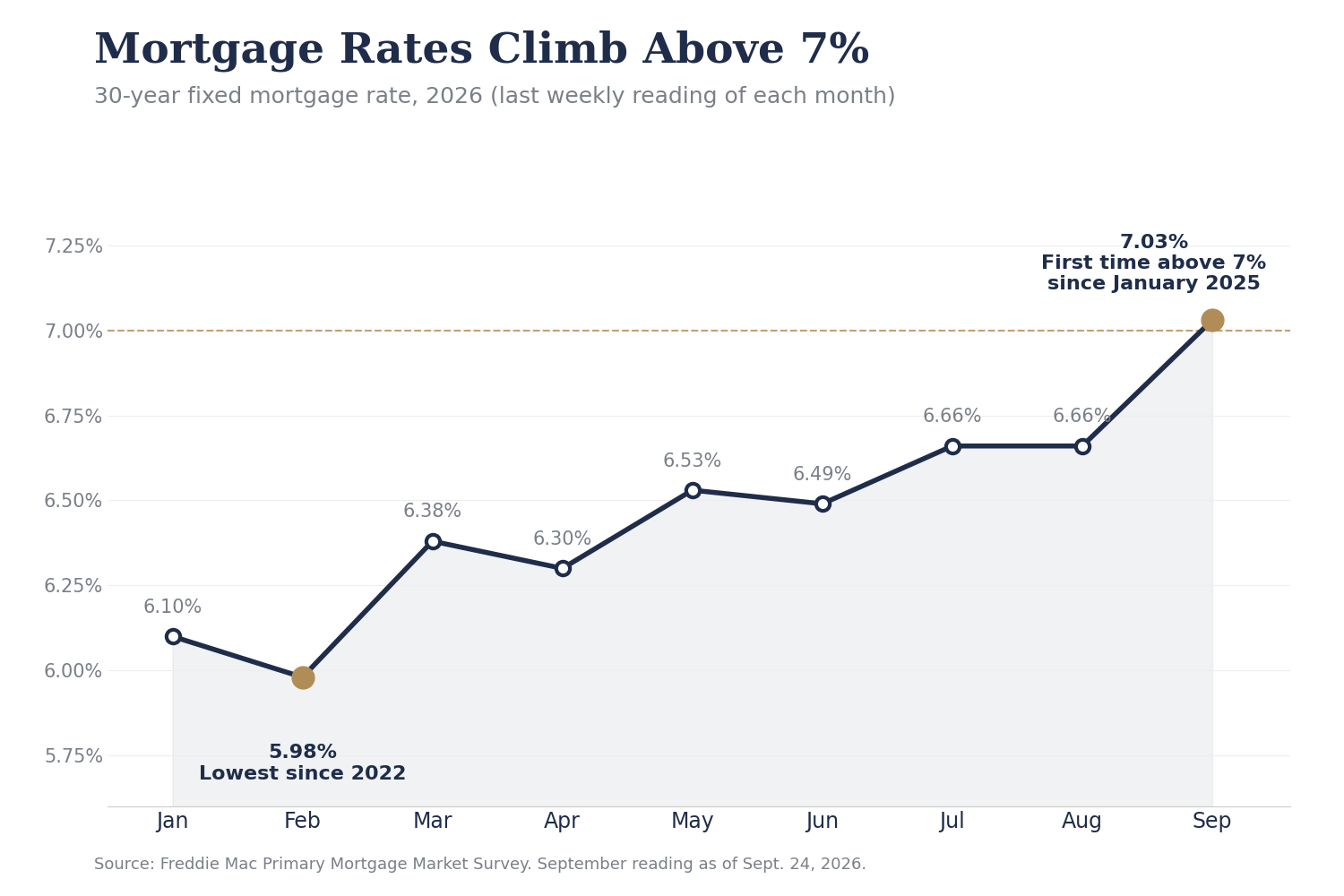
With mortgage rates hovering near 6.5%, buyers seem to have adjusted expectations. Looking ahead, inflation and even the upcoming mayoral election may impact the fall market. Nonetheless, August serves as the launch pad. By September, when the market rhythm picks up again, savvy buyers are already educated, engaged and ready to act. August isn’t about settling for less—it’s about uncovering hidden treasures when fewer are in town. It's about recognizing that sometimes the best deals happen when no one else is looking.

Conventional wisdom says Manhattan real estate hibernates this month. I disagree. August often ushers in some of the very best buying opportunities of the year.

Our team is currently representing three overlooked properties that truly stand out as value opportunities in today’s market. Each offers quality, location and value.

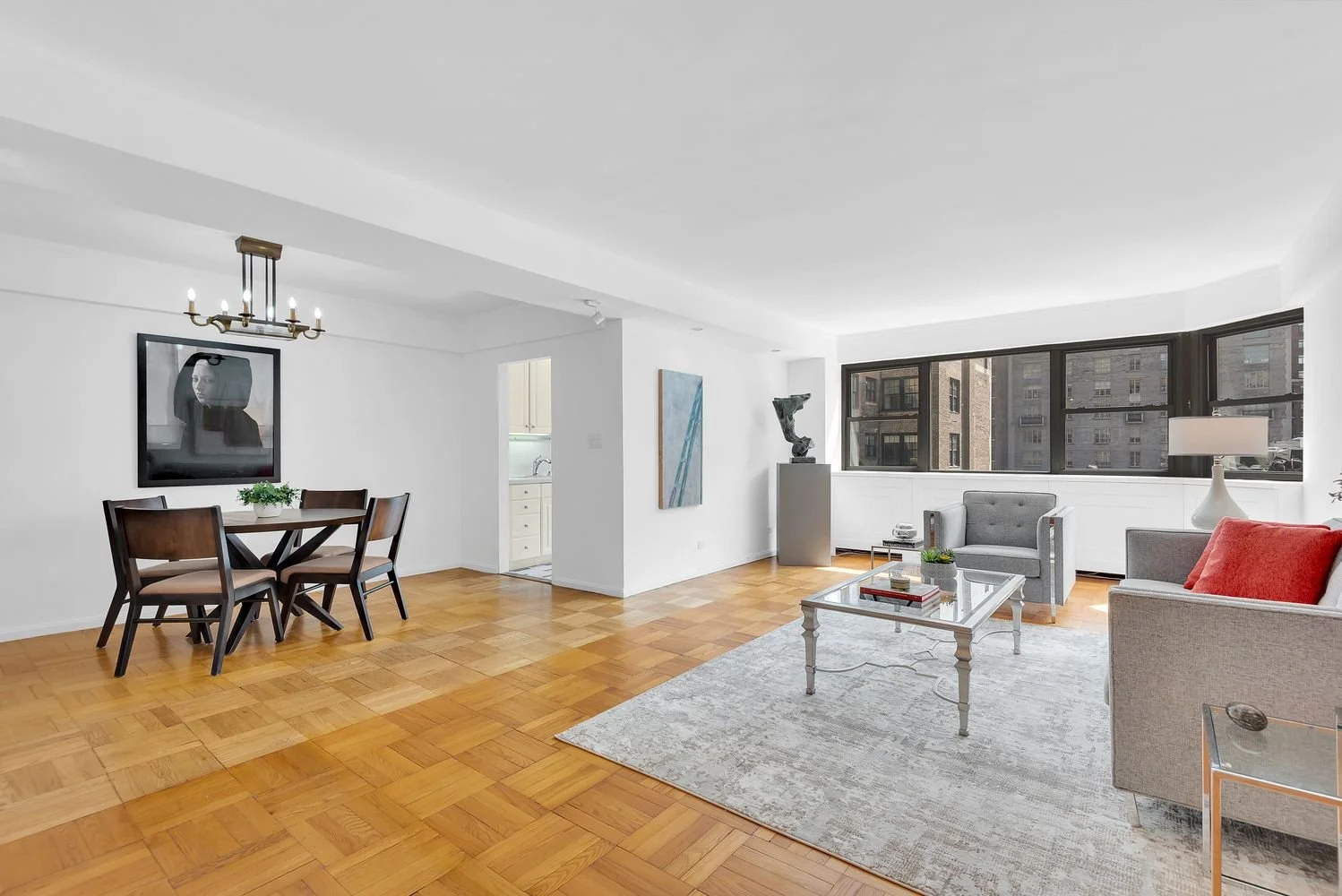
120 East 81st Street, 8A – A south-facing, elegantly proportioned two bedroom co-op with high floor rooftop views off Park Avenue.

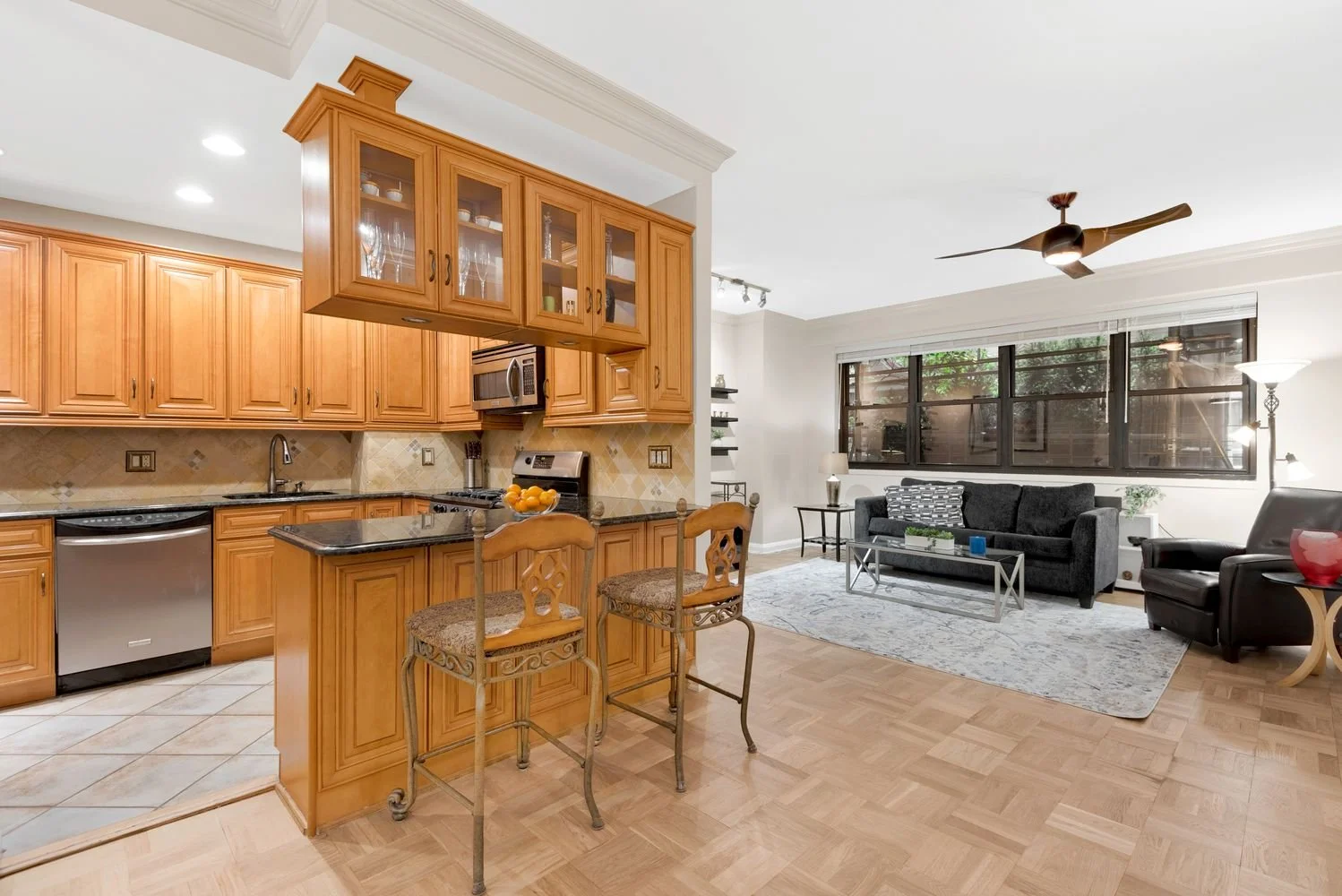
315 East 65th Street, 1H – A spacious two bedroom with 9’ ceilings and direct private access to a unique backyard.

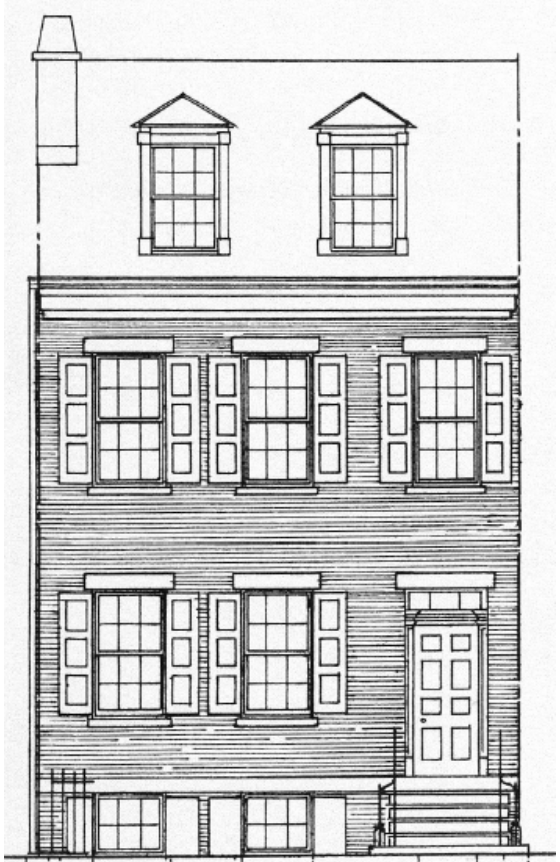
639 West End Avenue, 1C – A charming one-bedroom in a stately prewar priced well below market.

August often sets the stage for a busy fall. If you’re considering selling, the rest of this month is the perfect time to prepare your property so it shines when fall activity accelerates. If you’re a buyer, August may be your best opportunity to find the home you’ve been waiting for.

Threshold Pricing and the Trouble It Breeds

Threshold Pricing and the Trouble It Breeds

It’s hardly a new phenomenon, and it surfaces more frequently when markets cycle down. It’s not easy to prove, so it rarely gets challenged in court. Still, it’s pervasive. One lender I work with says he’s seen more examples in the past 18 months than in his 13-year career. Most attorneys don’t like it. Appraisers call it unethical. Co-op board members say it benefits shareholders because it protects value.

But does it?

What do you think? Is it a service or a disservice to co-op shareholders when boards reject a sale solely because they believe the contract price is too low? And if a board’s pricing threshold is known, is it ethical for the parties to “meet it” by inflating the price on paper through a seller credit to the buyer?

Thankfully, this isn’t widespread among most co-ops, although it is common practice among developers who offer “decorator allowances,” cover transfer taxes and other buyer costs to preserve their published Schedule A pricing.


Here are a few concerns worth considering:

  • When a seller provides a credit to a buyer at closing, it effectively “grosses up” the sale price—distorting the public record. No one outside the deal knows that concessions were made.

  • If a lender is involved, the credit can’t exceed 6%, or the loan could be jeopardized.

  • Appraiser Jonathan Miller has called this out in his Housing Notes from 9/24/24: “The sale at the inflated price goes into the public record and is subsequently used as a comp in the marketplace, perpetuating the false value…. These co-op boards think they are protecting their values when, in reality, the brokerage community talks about bad board behavior among themselves, which reduces buyer traffic in these particular buildings, ultimately damaging the market value.”

  • There are buildings where this kind of pricing interference is systemic—and many agents simply avoid them.

  • During the post-COVID recovery, I reached out to Michael Vargas, President of Vanderbilt Appraisal, for his take. His warning: boards that try to "protect value" by rejecting arm’s-length deals often wind up damaging it. Some have even faced legal action for overstepping.

“Mandating artificially inflated
closing prices is a form of
price manipulation.”

Mandating artificially inflated closing prices through back-door credits is misguided and does long-term harm. It distorts comparables, undermines the transparency that brokers and lenders rely on, and ultimately misleads both buyers and sellers. It’s a form of price manipulation.

Recently, I spoke with a partner at a respected transactional firm who is drafting legislation that would require boards to disclose any minimum price thresholds. That sounds reasonable. But if there is a threshold, shouldn’t it be grounded in current market data—like recent comps and the apartment’s actual condition?

In my view, threshold pricing disrupts market dynamics, compromises transparency, tarnishes a building’s reputation, and does long-term harm to shareholder equity—especially in a soft market.

Are you thinking about selling but are unsure how your board may weigh in? I’d be happy to share what I know. Give me a call.

Welcoming a Strong Spring Market

Welcoming a Strong Spring Market

The flurry of contract activity that closed out 2024 has carried over into the new year, setting the tone for what appears to be a more confident and balanced market. As we turn the page on the first quarter of 2025, we’re seeing measurable momentum and renewed buyer confidence.

Manhattan’s residential real estate market performed well in Q1. After navigating a perfect storm of elevated mortgage rates, political and economic uncertainty, and shifting industry dynamics, the market responded with notable resilience. Some key year-over-year highlights:

  • Sales volume rose by an impressive 13.2%.

  • The median sale price climbed to $1,189,000—marking the highest quarterly median in the past decade.

  • Contracts signed in the $1–2M range declined by 10.3%.

  • Inventory improved modestly, with 3.4% more active listings than a year ago and a 17.1% increase from last quarter. However, this varies by neighborhood; the Upper East Side was the only submarket to see a decline in active listings, down 6.9% year-over-year.

  • Properties priced at $5M and above saw a staggering 49.2% increase in closed sales.

  • The ultra-luxury segment—homes priced at $20M and above—posted its highest sales volume since 2019.

Importantly, this resurgence in activity wasn’t confined to specific areas or price points. While Downtown maintained its perennial popularity with 26.5% of all sales, the Upper West Side posted the most substantial year-over-year growth of any submarket, with sales rising 25.3% and the median price increasing 16.3% to $1,338,000. Its appeal lies in a mix of housing stock, proximity to parks, and excellent transit—hallmarks of the quintessential Manhattan lifestyle.

Additionally we saw a number of notable trends.

  • The Return-to-Office Effect: A fascinating Q1 trend was the noticeable impact of corporate return-to-office policies. Areas within walking distance of Midtown offices experienced a 21% year-over-year increase in signed contracts. This marks a shift away from pandemic-era preferences, when remote work had many buyers seeking space farther from Manhattan’s business core. As employers increasingly mandate in-person work, housing priorities may continue to realign accordingly.

  • A Remarkable Comeback for the Luxury Market:  If one segment truly stole the spotlight, it was the luxury market. The sharp rebound in luxury sales signals renewed confidence among high-net-worth buyers, many of whom view Manhattan real estate as a secure investment amid broader economic uncertainty. Largely unaffected by mortgage rates and motivated by long-term diversification strategies, these buyers moved boldly in Q1. Echoing this trend, the townhouse market closings rose 30% year-over-year. These prized properties—known for privacy, scale, and architectural distinction—commanded a median price of $8,025,000 in Q1, up 28.8% from the same period last year.

  • Among Property Types, Co-ops Lag Over Condos: The condo preference continued to shape the market, with condo sales rising 25.9% year-over-year, well ahead of the 4.5% growth in co-op transactions. With an average price of $3,071,535, condos remain the go-to choice for buyers seeking newer construction, modern amenities and fewer board restrictions.

  • The New Era of Buyer Representation: A major industry change took hold in Q1: as of January 13th, all REBNY member firms began requiring formal buyer representation agreements. This represents one of the most significant shifts in brokerage practice in decades. Buyers and sellers have largely embraced the new model, which offers greater transparency. Most sellers continue to understand the importance of offering competitive buyer agent commissions as a key component in attracting well-qualified buyers and achieving optimal results.

What Lies Ahead for Spring 2025?

While mortgage rates remain elevated and uncertain, previously sidelined buyers are acting. Increased activity in the $500K–$1M range, in particular, suggests that first-time buyers are adapting creatively rather than waiting. Despite broader economic concerns—including the impact of global tariffs—we expect a vibrant spring season, which traditionally sees heightened buyer engagement. The lack of urgency in today’s marketplace isn’t new, but it reinforces what we’ve long believed: strategic pricing is the most effective marketing tool.

Let’s talk about how current market dynamics affect your property’s value or your need for housing. Having an experienced local advisor on your side can make all the difference.

As spring in New York begins to blossom, we at The Shirley Hackel Team hope these next few months bring a sense of renewal in every aspect of your life. If one of those aspects includes real estate, please don’t hesitate to reach out with any questions you might have.

As January Goes, So Goes The Year.

As January Goes, So Goes The Year.

The old Wall Street adage suggests that January’s market performance very often sets the tone for the rest of the year. If that’s true, then 2025 is off to a promising start. We were busier than usual last November and December with a steady pace of contracts signed, and this January’s numbers are equally strong. In fact, signed contracts were up approximately 12% compared to the same month in 2024. Among luxury properties priced over $4 million, during the first five weeks of this year, 104 contracts were signed--the same as in 2024, underscoring the current market’s stability. We're seeing performance across certain metrics that we haven't seen since 2022 during the pandemic recovery, showing clear signs of a comeback now.  

Noah Rosenblatt, whom I’ve followed since 2005 when he founded the UrbanDigs website, provides real-time analytics and insights into the Manhattan and Brooklyn real estate markets. He tracks and measures consumer sentiment and activity, using a variety of statistical tools and analytical charts. Following are a few Leading Indicator Charts for January 2025. 

Monthly Price Cuts: At first blush +87% more price reductions in January over December may seem high, but that’s actually 5.1% less than this time last year. More sellers are adjusting their expectations to align with current market realities.

Climate Index: This looks at the ratio of successful to unsuccessful listings, more specifically the ratio of signed deals to listings removed from the market. When more listings succeed than fail, the index rises, and means selling is easier and prices can stay higher. A decreasing ratio indicates a more challenging environment for sellers where they might need to price lower to get buyers interested. This index has risen 35.4% from the past month and 4.7% from this time last year, and hasn’t been this high since 2022. 

Monthly New Supply: This has risen 148.2% from the past month and 15% from this time last year. A wave of new listings will come to market beginning in March and April, the traditional optimal times to list a new offering. Competition will ensue among sellers and among buyers.

Net Inventory Trends: While the Monthly New Supply shows all new inventory additions, Net Inventory Trends shows the pace of new inventory after subtracting contracts signed and units removed from the market. This has risen 101.8% from the past month and 110% from this time last year. This is the first January since 2020 that this score has been in positive territory. 

Buyers are definitely back but they are as risk averse as ever and seeking value. Having made their peace with higher interest rates, they are encouraged to engage the services of an experienced Buyer’s Agent not only to stay informed, but so they may act decisively when the right opportunity arises, and put themselves in the best position to win competitive bidding as the best properties continue to attract multiple offers.

For sellers, the current market presents an opportunity to list strategically. Well-priced properties with strong fundamentals, such as location, condition and amenities, are moving relatively quickly, while overpriced listings continue to linger. Sellers are cautioned not to test the market, but appreciate that an inflated asking price not only diverts bidder attention but fails to capture the possibilities presented in the first few weeks of marketing. With limited new development inventory in the pipeline, competition for move-in-ready homes is expected to remain high. 

If the past is prologue and January’s momentum is any indication, then the early strength we’re seeing signals a year of opportunity. For buyers, sellers and investors alike, the spring season holds lots of promise. For those looking to make a move—whether buying, selling, or investing—there is every reason to feel optimistic and energized about what lies ahead.

Here at The Shirley Hackel Team, we hope your 2025 looks as promising as these market indicators. If you have any questions, it would be a privilege to help you achieve your real estate goals.

2024 Challenges End on a High Note

2024 Challenges End on a High Note

2024 was largely a year of disappointment for Manhattan real estate. Buyer demand was stifled by elevated mortgage interest rates, while lenders grew disheartened by the flurry of preapprovals that failed to convert to real loan commitments. Sellers, too, faced frustration from reduced showing and bidding activity for their often-overpriced properties. All the while, experienced brokers persevered knowing that–as with all cycles–this too shall pass. And wonder of wonder, miracle of miracles 🎵, the holiday season notwithstanding, we’re finishing the year with a surge of nearly 200 signed contracts for properties priced over $4M since the first Monday of November, including 19 signed during the shortened Thanksgiving week–well above recent averages. 

Looking Ahead: Five Predictions for 2025

• Buyer Resurgence Across All Markets
We anticipate a resurgence of buyers for both resale and new development properties. Even mortgage-dependent buyers are adjusting to today’s rate environment with rates likely to hover around 6% for the next couple of years. The pandemic-induced 3% interest rate of 2020-2022 is now a historic anomaly.

• Tight Inventory Will Persist
Inventory levels are expected to remain low. With fewer new development projects in the pipeline, and many sellers waiting for 2026 in hopes of stabilizing and rising values, supply will likely remain constrained. 

• Stable to Modestly Rising Prices
If buyer demand increases while inventory stays tight, prices should hold steady or improve modestly providing some stability in the market. 

• Renovation Opportunities
John Walkup of Urban Digs forecasts more value in apartments needing work. He notes, “The renovation premium, which soared to nearly 30% during its post-pandemic peak, has been gradually returning to its historical average of around 14%.” As an agent with several “good boned” properties waiting for their moment in the spotlight, I say cheerfully: bring it on!   

• Strong Financial Markets Driving Cash Buyers
A robust stock market and anticipated high bonus season should keep cash buyers active, especially at the upper end of the market.

My Crystal Ball is Round
Uncertainty remains about what comes next. Inflation is unlikely to disappear and may even tick upward. Tariffs, labor shortages and the policies of a new, unconventional Washington administration could also impact housing. As my friend and client Gregg S. Fisher said in a recent letter to Quent Capital fund investors (of which I am one): "Entrepreneurs are not just business owners; they are visionaries and relentless optimists who believe deeply in the possibility of a better future.” Experienced brokers share the same optimism. A better Manhattan real estate market will come. 

I ❤️ NY (Townhouses) - Part 2

I ❤️ NY (Townhouses) - Part 2

In September, we explored some of the most iconic and beautiful townhouse styles lining the side streets of New York City. This month, we’re shifting gears to examine what it might cost to make one of these architectural gems your own.

What’s Really Happening with Mortgage Rates?

What’s Really Happening with Mortgage Rates?

You don’t need to be a real estate expert to know that the Federal Reserve made waves on September 18th by lowering interest rates for the first time in over two decades. So why have mortgage rates continued to rise since then?

I ❤️ NY (Townhouses) - Part 1

I ❤️ NY (Townhouses) - Part 1

While much of the world comes to New York to marvel at its towering structures of steel and glass, reaching skyward to breathtaking heights, I find the city's true architectural beauty in its limestone, brownstone, and red brick townhouses. These treasures aren’t found along the iconic skyline, but tucked away on the historic, residential streets of neighborhoods like Park Slope, Carnegie Hill, and the West Village. Here, the hustle and bustle are more intimate, with neighbors perched on stoops, catching up in a way that feels quintessentially New York.

Whether you call them townhouses, rowhouses, or collectively refer to them as “brownstones,” there’s no denying that few residences in the world are as charming and desirable as a New York City townhouse. A simple stroll down these streets reveals a journey through eras, art, and culture, expressed through the many architectural styles and intricate details.

The Landmarks Preservation Commission offers a free Rowhouse Manual, which highlights the styles you're likely to encounter. After two decades of living in “Brownstone Brooklyn,” I’ve become familiar with many, from Neo-Grecs to Italianates. Here are a few standout styles that catch my eye whenever I pass by:


Queen Anne

Symmetry can be overrated. The irregular facades of Queen Anne homes create an engaging tension that makes them a delight to admire.


Second Empire

I’m a sucker for a mansard roof, the hallmark of this mid-19th century style. Wide stoops, typical of these homes, are ideal for a morning coffee or a friendly chat with neighbors.


Federal

As their name suggests, these red brick, two-to-three story homes harken back to the early days of our nation. You can almost imagine colonial New Yorkers warming themselves by the fire, penning letters with quill and ink.


Neo-Classical

Though rare, the Neo-Classical homes I’ve seen are nothing short of spectacular—and so is their value.

Here are some recommended blocks for townhouse peeping:

  • 70th Street between Park and Lexington Avenues, Manhattan

  • 64th Street between Fifth and Madison Avenues, Manhattan

  • 2nd Street between 7th and 8th Avenues, Brooklyn

What are some of your favorite townhouse blocks? Let us know here, and next month, we’ll be back to discuss townhouses as real estate investments.

Anticipating Lower Mortgage Interest Rates

Anticipating Lower Mortgage Interest Rates

Two key market dynamics are at play in the current marketplace: the anticipation of lower interest rates and a wave of summer price drops. The former is expected to stabilize the latter, and there are implications for both buyers and sellers.

Hello Summer

Hello Summer

As we approach the end of Q2 2024, the Manhattan real estate market presents a tricky landscape. Optimism and opportunity coexist alongside uncertainty and hesitancy where some properties attract multiple offers while others languish without much interest. Consider these four factors that contribute to this complex climate.